
A home that once fit your needs perfectly may not always remain the right fit.
Growing families often need more bedrooms, storage, or outdoor space. Other homeowners may find themselves maintaining rooms they rarely use or paying for a property that no longer supports their lifestyle.
Deciding whether to upgrade, downsize, or remain in your current home requires more than comparing square footage.
When It May Be Time to Upgrade
You may benefit from a larger or differently configured home when:
- Your family is growing
- You work from home and need office space
- Storage has become limited
- Your current layout no longer functions well
- You want a larger yard or additional amenities
- Your financial position has improved
Before upgrading, consider the total cost of the move. A larger home may include higher mortgage payments, utilities, maintenance expenses, property taxes, and furnishing costs.
The goal should be finding a home that improves your daily life without creating unnecessary financial pressure.
When Downsizing May Make Sense
Downsizing may be a good option when:
- You no longer use much of your current space
- Maintenance has become time-consuming
- You want a more convenient location
- You prefer a single-level home
- You are preparing for retirement
- You want to reduce monthly expenses
- You would rather invest your time and resources elsewhere
A smaller home does not necessarily mean sacrificing comfort. The right property may provide a more functional layout, updated features, community amenities, or a location better suited to your current lifestyle.
When Staying Could Be the Right Choice
Moving is not always the best solution. Your current home may still work well with thoughtful improvements.
Renovating a kitchen, creating a home office, finishing a basement, improving accessibility, or reorganizing existing space may address your concerns without requiring a move.
Compare the cost and disruption of renovating with the expense and benefits of purchasing another property.
Review Your Financial Position
Before making a decision, estimate your current home’s market value, remaining mortgage balance, selling expenses, purchasing costs, and potential monthly payment for the next property.
Understanding your available equity can help clarify which options are realistic.
A lender can explain financing possibilities, while a local real estate professional can help you understand your home’s position within the current market.
Consider the Timing
Selling and buying at the same time requires careful coordination. Your plan may depend on market conditions, financing, temporary housing options, settlement timelines, and your tolerance for risk.
There is no single strategy that works for everyone. The right approach depends on your priorities and circumstances.
Make a Lifestyle Decision, Not Just a Property Decision
Your next home should support the way you want to live.
Sean Hicks helps homeowners evaluate their options, understand local market conditions, and develop a plan tailored to their next stage of life. Whether you decide to upgrade, downsize, or remain where you are, the goal is to make a thoughtful decision that supports both your current needs and future plans.
Sometimes the right move is a new home. Sometimes it is making your current home work better. The first step is understanding your options.
FROM OUR BLOG
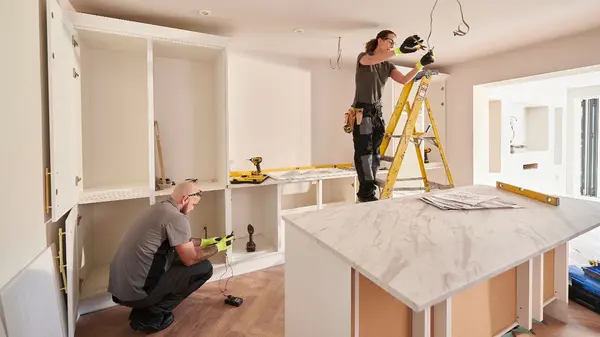
Easy Weekend Projects to Boost Your Home’s Value – Quick, budget-friendly upgrades anyone can tackle.
Looking to give your home a little lift without breaking the bank or taking weeks off work? You’re in luck! There are plenty of simple, affordable projects you can complete in just a weekend that not only refresh your space but also add real value to your property. Whether you’re prepping to sell or
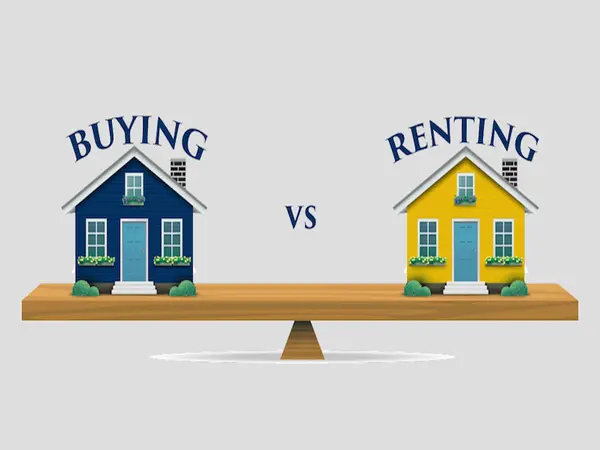
How to Decide What’s Right for You: Buy, Sell, or Rent in Anne Arundel County—Even with Low Credit
Deciding whether to buy, sell, or rent a home is a big step—especially if you’re a first-time homebuyer in Anne Arundel County and you’re worried about your credit score. Let’s break down your options, and help you make the choice that fits your life, your finances, and your dreams. Understanding Yo
Turning Your First Home into a Long-Term Investment
For many people, purchasing a first home is primarily a lifestyle decision. It provides stability, independence, and a place to build memories. However, the right property may also become an important part of a long-term financial strategy. Sean Hicks experienced this firsthand when the home he purc