
For many people, purchasing a first home is primarily a lifestyle decision. It provides stability, independence, and a place to build memories.
However, the right property may also become an important part of a long-term financial strategy.
Sean Hicks experienced this firsthand when the home he purchased in 2017 later became his first investment property. That decision helped launch a growing portfolio and demonstrated how one purchase can create new opportunities over time.
Think Beyond Your Immediate Needs
First-time buyers often focus only on what they need today. While that is important, it can also be helpful to consider how the property may serve you in the future.
Ask questions such as:
- Could the home work as a rental later?
- Is the location likely to remain desirable?
- Does the layout appeal to a broad range of future buyers or tenants?
- Are there opportunities to improve the property?
- Will the maintenance requirements remain manageable?
A home does not need to be perfect to hold long-term potential.
Location Still Matters
Properties near employment centers, transportation routes, schools, shopping, recreation, and established communities often maintain consistent demand.
Throughout Annapolis and Anne Arundel County, different communities may appeal to renters, commuters, military families, students, professionals, and long-term residents.
Understanding the local rental market and future resale audience can help you evaluate a property from both a personal and investment perspective.
Understand the Financial Responsibilities
Owning an investment property involves more than collecting rent. Owners may need to budget for:
- Mortgage payments
- Property taxes
- Insurance
- Repairs and maintenance
- Vacancy periods
- Property management
- Association fees
- Capital improvements
Before converting a primary residence into a rental, review the financial picture carefully and consult qualified lending, tax, legal, and insurance professionals.
Build Equity Over Time
As you pay down your mortgage, you may gradually build equity in the property. Market appreciation and improvements can potentially increase that value, although no return is guaranteed.
Equity may create future options, such as selling the property, refinancing, or using available funds toward another purchase.
The strongest investment plans are usually built around realistic expectations rather than short-term speculation.
Purchase with Flexibility
A property with a practical layout, durable features, strong location, and broad buyer appeal may provide more flexibility later.
Even when you do not plan to become an investor immediately, considering future possibilities can help you make a more strategic purchase.
Start with the Right Guidance
Real estate investing does not always begin with a large portfolio. Sometimes it begins with one well-considered home purchase.
Sean helps buyers evaluate properties through both a homeowner’s and investor’s perspective. By combining business knowledge, local insight, and firsthand investment experience, he helps clients make decisions that support their current lifestyle while keeping future opportunities in mind.
Your first home may be the place where your story begins—and the first step toward building long-term wealth through real estate.
FROM OUR BLOG
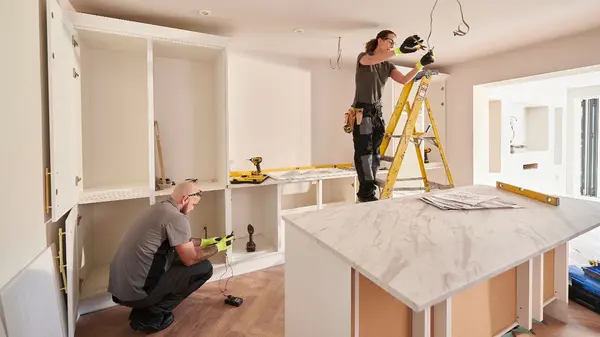
Easy Weekend Projects to Boost Your Home’s Value – Quick, budget-friendly upgrades anyone can tackle.
Looking to give your home a little lift without breaking the bank or taking weeks off work? You’re in luck! There are plenty of simple, affordable projects you can complete in just a weekend that not only refresh your space but also add real value to your property. Whether you’re prepping to sell or
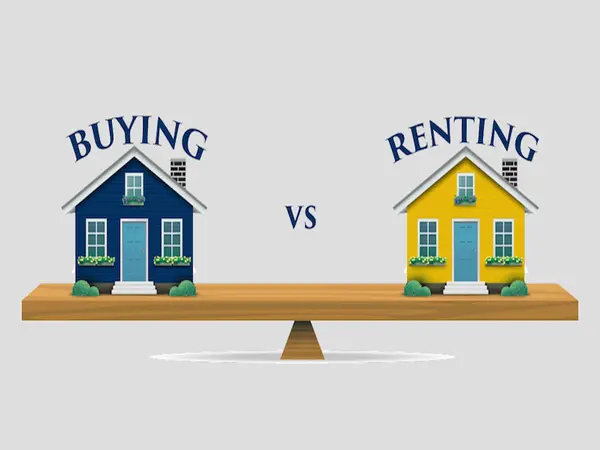
How to Decide What’s Right for You: Buy, Sell, or Rent in Anne Arundel County—Even with Low Credit
Deciding whether to buy, sell, or rent a home is a big step—especially if you’re a first-time homebuyer in Anne Arundel County and you’re worried about your credit score. Let’s break down your options, and help you make the choice that fits your life, your finances, and your dreams. Understanding Yo
Should You Upgrade, Downsize, or Stay Where You Are?
A home that once fit your needs perfectly may not always remain the right fit. Growing families often need more bedrooms, storage, or outdoor space. Other homeowners may find themselves maintaining rooms they rarely use or paying for a property that no longer supports their lifestyle. Deciding wheth